24
May
How to Choose the Right Jewelry Size for Body Piercings
0
0
0
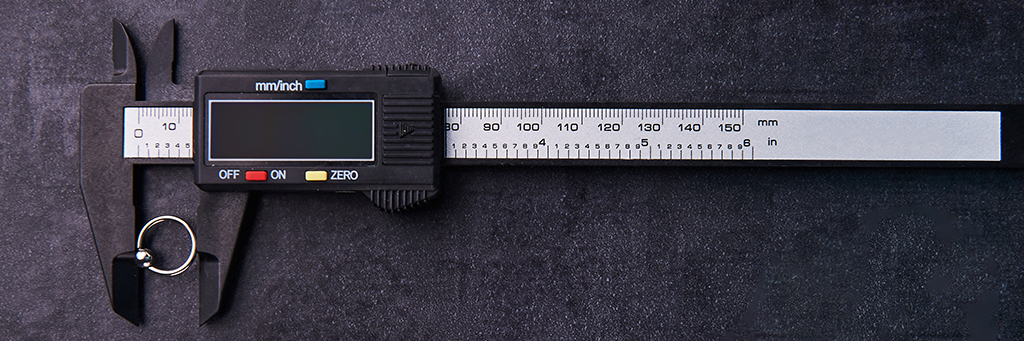
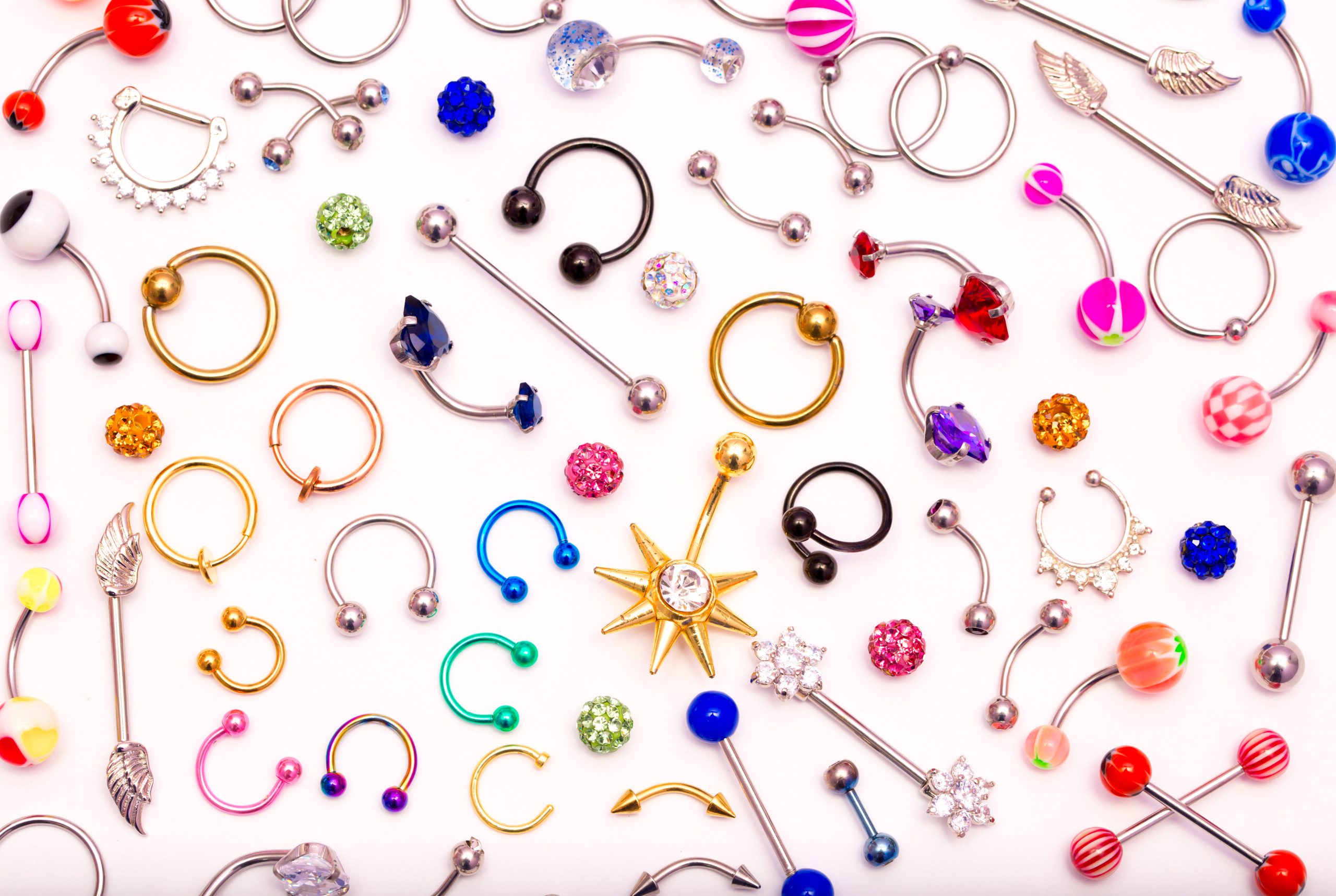
Choosing the right body piercing jewelry size is about more than appearance. Gauge, length, diameter, and overall fit all affect comfort, healing, and long-term wear. Whether you are ordering for a studio, restocking best-sellers, or comparing options for different piercing placements, understanding these measurements helps reduce mistakes and improve product selection.
If you are unsure about sizing terms, you can also review our Size Charts and Product Specification pages for reference.
Understanding Gauge
Gauge refers to the thickness of the jewelry that passes through the piercing. In body jewelry, this is one of the most important measurements because it determines how the jewelry sits in the piercing itself.
A smaller number means a thicker piece of jewelry. For example, 14 gauge is thicker than 16 gauge. This can be confusing for newer buyers, which is why it helps to keep a reliable size reference available when comparing products.
For general measurement help, visit our Size Charts page.
Understanding Length
Length usually refers to the shortest distance between the two ends of the jewelry, not including attachments such as balls or decorative tops. This is especially important for barbells, labrets, and curved pieces.
If the jewelry is too short, it may feel tight or uncomfortable. If it is too long, it may not sit properly and can affect both appearance and wearability. The right length depends on the piercing placement, anatomy, and intended look.
Understanding Ring Diameter
For rings, the most important measurement is usually the inside diameter. This affects how the ring sits in the piercing and how closely it fits to the body.
A ring with the wrong diameter may look too tight, hang too loosely, or simply not suit the intended placement. This is why ring size should always be considered alongside piercing location and style preference.
You can also use our Piercing Glossaries page to review different piercing placements and compare how jewelry types are commonly used.

Ball Size and End Size
Ball size or end size may seem like a small detail, but it still affects the overall look and function of the jewelry. A larger ball or end can create a bolder visual effect, while a smaller one may feel more minimal and discreet.
For professional buyers and studios, paying attention to end size also helps create better balance across different product lines and piercing types.
Why Size Selection Matters
Correct sizing supports more than appearance. It also affects:
- comfort during wear
- how the jewelry sits in the piercing
- practical suitability for the piercing placement
- consistency when reordering
- overall customer satisfaction
For wholesale customers, understanding sizing also helps reduce ordering errors and improve communication between studio staff, resellers, and end users.
One Size Does Not Fit Every Piercing
Different piercing placements often require different gauges, lengths, and ring diameters. A size that works well for one placement may be completely wrong for another. This is why it is useful to compare both jewelry measurements and piercing placement information together.
For placement reference, please see our Piercing Glossaries page. For sizing and measurement guidance, visit Size Charts and Product Specification.
Final Thoughts
Choosing the right jewelry size is one of the most practical parts of selecting body piercing jewelry. When gauge, length, diameter, and end size are understood clearly, it becomes much easier to order with confidence and build a stronger product selection.
If you are unsure which size is right for a specific item or piercing, please contact our team before ordering. We will be happy to help.