1
Jul
What Materials Are Best for Body Piercing Jewelry? A Practical Guide for Studios and Buyers
0
0
0
BChoosing the right material is one of the most important decisions in body piercing jewelry. Different materials offer different advantages in terms of wear comfort, durability, appearance, and application. For studios and wholesale buyers, understanding these differences helps create a stronger and more reliable product selection.
To explore sizing and product details alongside material selection, you can also visit our Size Charts and Product Specification pages.
316L Surgical Steel
316L Surgical Steel remains one of the most widely used materials in body piercing jewelry. It is popular because it offers a strong balance of durability, corrosion resistance, and commercial practicality.
For many studios and buyers, 316L Surgical Steel is a core material because it works well across a broad product range and supports everyday wear.
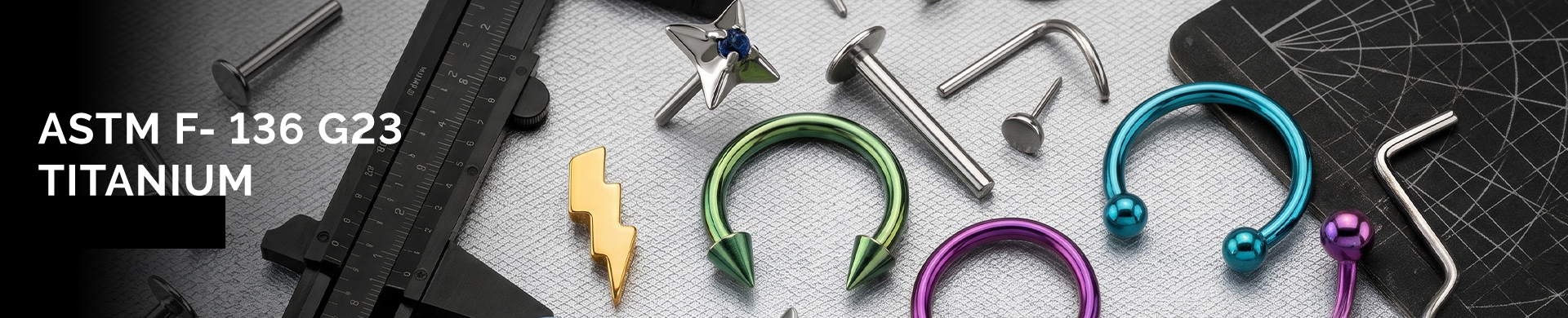
ASTM F136 Titanium
Titanium ASTM F136 is one of the most important technical materials in body piercing jewelry. It is widely recognized for its suitability in higher-specification piercing jewelry and is often preferred where lightweight performance and strong material confidence matter.
For professional buyers, titanium is often a key material category because it supports premium product positioning while remaining highly relevant in the piercing industry.
Sterling Silver
Sterling Silver is well known in jewelry, but in body piercing it is more specific in its use. It offers a premium appearance and strong customer familiarity, but selection should always take intended use and placement into account.
For some product types and collections, Sterling Silver can be a valuable addition. For others, more technically focused materials may be preferred.
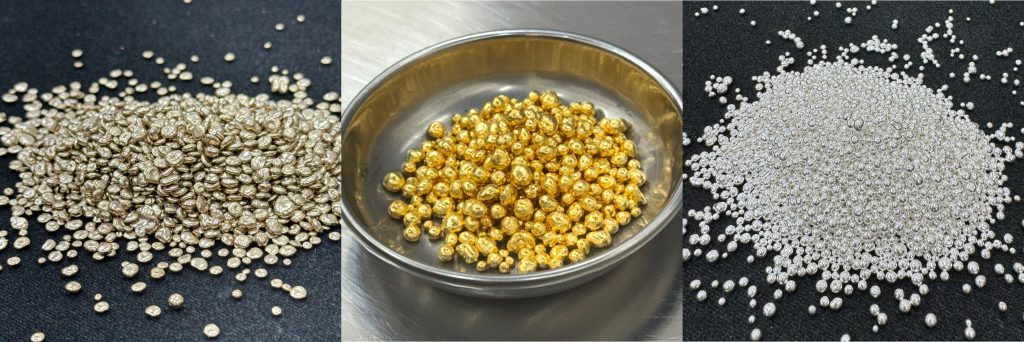
Solid Gold
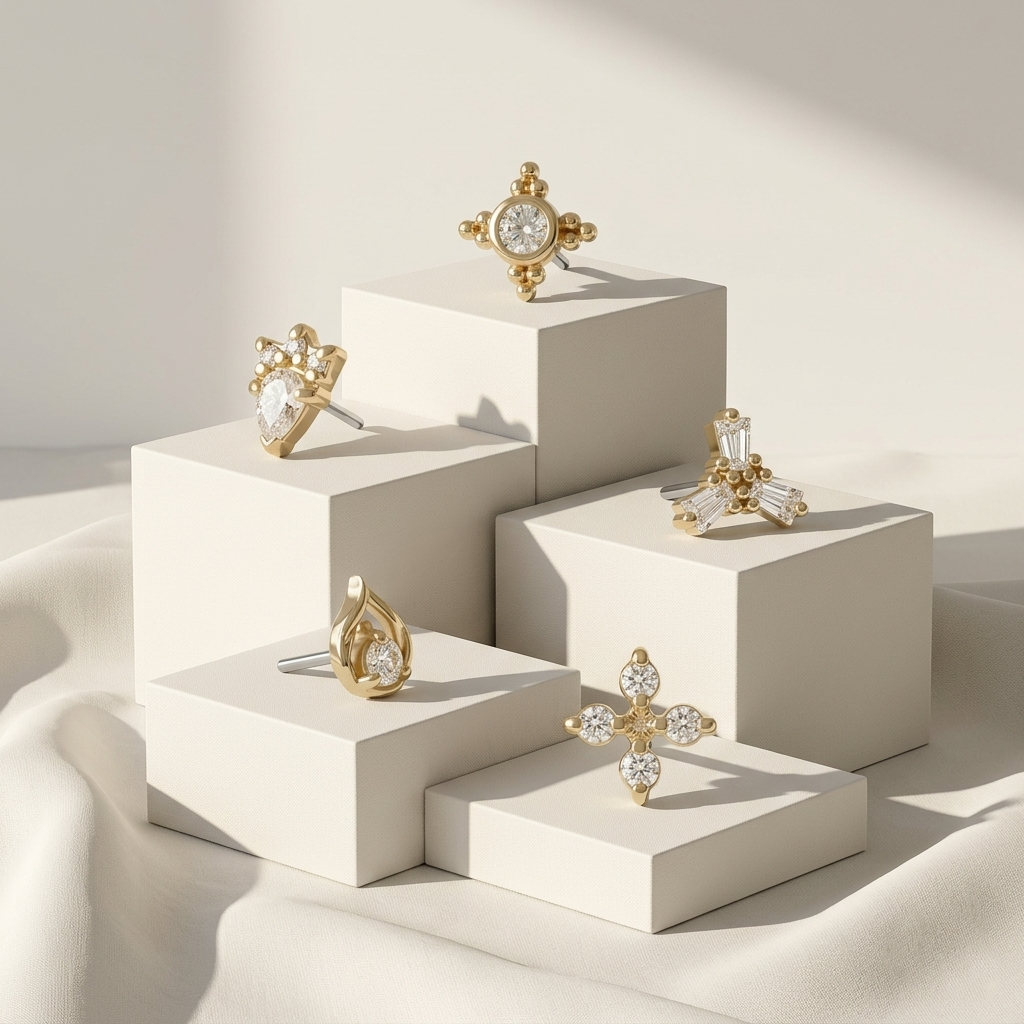
Solid Gold remains one of the most premium material options in body piercing jewelry. It is often chosen where precious metal positioning, luxury appeal, and elevated product presentation are important.
For studios and buyers serving customers who want a more premium offering, solid gold can play an important role in the product mix.
Bioflex / PTFE
Bioflex and PTFE are flexible materials used in selected body jewelry applications. They can be useful where flexibility, lightweight wear, or a softer alternative is required depending on the product and intended use.
These materials are more specialized, but they remain relevant in the broader body piercing category.
Why Material Choice Matters
Material selection affects more than just appearance. It also influences:
- wear comfort
- durability
- corrosion resistance
- customer expectations
- product positioning
- the type of piercing or product line being developed
This is why material should always be considered alongside construction style, size, and intended use.
There Is No Single “Best” Material for Everything
One of the most common mistakes is trying to identify one universal “best” material. In reality, the best material depends on the specific product, customer, and application.
For example:
- 316L Surgical Steel may be ideal for strong everyday commercial ranges
- Titanium ASTM F136 may be preferred for more premium or technically specific needs
- Sterling Silver and Solid Gold may be better suited to selected premium or design-driven collections
- Bioflex / PTFE may be useful for specialized applications
Building a Stronger Product Selection
For studios and wholesale buyers, the strongest approach is often not choosing only one material. It is building a well-balanced range that covers different needs, price points, and customer preferences.
This is where understanding materials becomes practical. A stronger material mix helps create a better product offering, clearer positioning, and more confident buying decisions.
You can also use our Piercing Glossaries page to compare jewelry types and piercing placements, and our Size Charts page for measurement reference.
Final Thoughts
The best material for body piercing jewelry depends on what the product is meant to do, how it will be worn, and what the customer expects from it. For studios and buyers, understanding these differences is an important part of building a strong and reliable selection.
If you need help choosing the right material for your product range, please contact our team.