8
Apr
What Makes Piercing Jewelry Safe?
0
0
0
Materials, Standards, and Certifications Explained
Why Safety in Piercing Jewelry Is Non-Negotiable
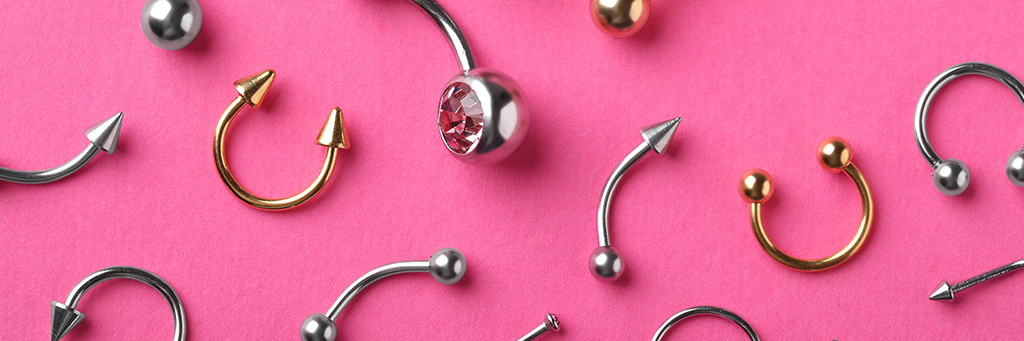
Body piercing jewelry is not a traditional fashion accessory. It is inserted into living tissue and worn continuously during the healing process. This places piercing jewelry in a unique category where aesthetics, material science, and health considerations must work together.
When jewelry is poorly manufactured or made from unsuitable materials, the risks increase. These risks include irritation, allergic reactions, delayed healing, infection, and long-term scarring. For professional piercers and responsible retailers, understanding what makes piercing jewelry safe is essential.
This guide explains the materials, standards, and certifications that define safe piercing jewelry and why they matter to both studios and clients worldwide.
Piercing Jewelry as a Body Contact Product
Unlike fashion jewelry, which touches the skin briefly, piercing jewelry remains in direct contact with open tissue for extended periods. This makes safety standards far more critical.
Safe piercing jewelry must meet three fundamental requirements:
- It must be biocompatible and non-reactive
- It must be manufactured with precision and smooth finishing
- It must be produced and handled in controlled, hygienic conditions
Failure in any of these areas increases the likelihood of complications during healing.
The Most Important Materials Used in Safe Piercing Jewelry
Implant-Grade Titanium (ASTM F136)
Implant-grade titanium jewelry is widely considered the safest material for initial piercings.
Key properties:
- Hypoallergenic and nickel-free
- Lightweight and corrosion-resistant
- Highly biocompatible with human tissue
ASTM F136 titanium is used in medical implants, making it ideal for fresh piercings and for clients with sensitive skin. For this reason, it has become the global standard in professional piercing studios.
Surgical Steel
Surgical steel is commonly used in body piercing jewelry, but not all steel is the same.
High-quality surgical steel offers:
- Strong durability
- Smooth polish when manufactured correctly
- Cost-effective pricing for studios and clients
However, surgical steel piercing jewelry may contain trace amounts of nickel. While safe for many people, it is generally recommended for healed piercings rather than initial ones, especially for sensitive clients.
Solid Gold (14k and 18k)
14k and 18k gold piercing jewelry is both safe and luxurious when manufactured correctly.
Requirements for safe gold piercing jewelry:
- Solid gold only, never gold-plated or gold-filled
- Proper alloy balance to ensure durability
- Highly polished surfaces with no sharp edges
Gold jewelry is often chosen for healed piercings or clients seeking premium options for curated ears, nostril piercings, and septum jewelry.
Bioplast and PTFE
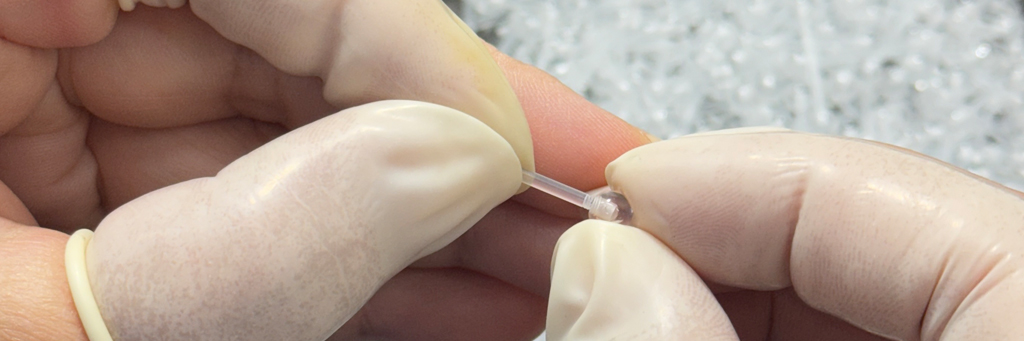
Flexible materials such as Bioflex Piercing Jewelry and PTFE are used in specific situations.
Benefits include:
- Lightweight and flexible structure
- Reduced pressure on healing tissue
- Compatibility with certain medical environments
These materials are especially useful for pregnancy piercings, oral piercings, or situations where metal is not ideal.
Manufacturing Quality Is as Important as Material Choice
Even the best material becomes unsafe if manufacturing standards are poor.
Surface Finish and Polishing
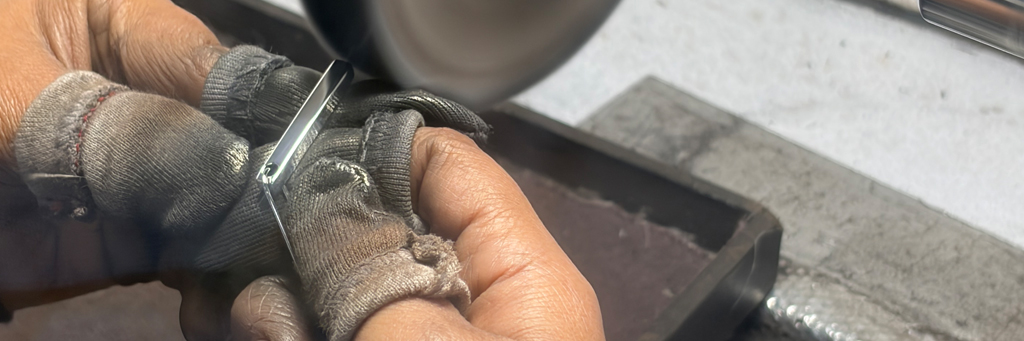
Safe piercing jewelry must be polished to a mirror-smooth finish. Microscopic scratches can harbor bacteria and irritate tissue.
High-quality jewelry undergoes multiple polishing stages to ensure:
- Smooth edges
- Rounded ends
- No visible or hidden imperfections
Threading and Design Systems
Threading plays a major role in safety.
- Internally threaded jewelry reduces trauma during insertion
- Threadless systems eliminate threading altogether and reduce irritation risk
- External threading is generally avoided in professional settings
Design precision ensures jewelry inserts smoothly without tearing tissue.
The Role of Sterilization and Hygiene
Sterility is a critical component of safety, especially for initial piercings.
Safe piercing jewelry may be:
- Pre-sterilized and sealed at the factory
- Sterilizable using standard autoclave procedures
Pre-sterilized jewelry reduces handling risks and saves studios time while still meeting strict hygiene standards.
Proper packaging, labeling, and traceability further ensure jewelry remains safe until use.
Understanding Certifications and Standards
ISO Certifications
International Organization for Standardization certifications indicate that manufacturing processes are controlled and audited.
Key certifications includ
- ISO 9001 for quality management systems
- ISO 14001 for environmental management
- ISO 45001 for occupational health and safety
These certifications confirm consistency, safety, and accountability at every production stage.
ASTM Standards
DASTM standards define material specifications used in medical and industrial applications.
ASTM F136 specifically refers to implant-grade titanium suitable for human implantation, making it one of the most important standards in body piercing.
Ethical and Social Responsibility Certifications
Certifications such as CSR and Sedex ensure:
- Ethical labor practices
- Safe working environments
- Transparent supply chains
These factors contribute indirectly to product safety by ensuring responsible production conditions.
How Safe Jewelry Improves Healing Outcomes
When safe materials and proper manufacturing are combined, healing becomes more predictable.
Benefits include:
- Reduced swelling and irritation
- Lower infection risk
- Faster and cleaner healing
- Better long-term comfort for clients
For piercers, this means fewer follow-up issues and greater client satisfaction. For clients, it means confidence in both the jewelry and the studio.
Why Knowledge Matters for Studios and Clients
Clients today are more informed than ever. Many ask questions about materials, sterility, and safety before committing to a piercing.
Studios that understand and communicate these factors:
- Build stronger trust
- Differentiate themselves professionally
- Reduce complications and liability
Educating clients about safe jewelry choices elevates the entire piercing experience.
The Bigger Picture: Raising Industry Standards
As the piercing industry continues to mature, safety standards are no longer optional. They are expected.
Manufacturers, suppliers, and studios all play a role in maintaining these standards. Companies like Salamander Jewelry, with decades of experience, certified production, and global distribution, help push the industry toward greater responsibility and professionalism.
Conclusion: Safety Is Built, Not Assumed
Safe piercing jewelry results from informed choices, proper materials, precise manufacturing, and certified processes. It is not defined by appearance alone.
Understanding what makes jewelry safe empowers piercers, protects clients, and strengthens trust across the industry.
As piercing continues to grow worldwide, safety remains the foundation on which everything else is built.